

Smart Thermostat Guide: Troubleshooting Common Issues and Solutions
Imagine stepping into your home after a long day, greeted by the perfect temperature, no matter the season outside. You didn’t have to adjust a single dial or touch a button; your smart thermostat did all the work for you. If you’re like me, the idea of a cozy, automated home sounds enticing, but getting there can feel overwhelming.
With so many options on the market, it’s easy to get lost in the sea of features and jargon. But don’t worry; I’m here to break it all down for you. Let’s dive into the world of smart thermostats, exploring how they work, the benefits they offer, and what to consider when choosing the right one for your home.
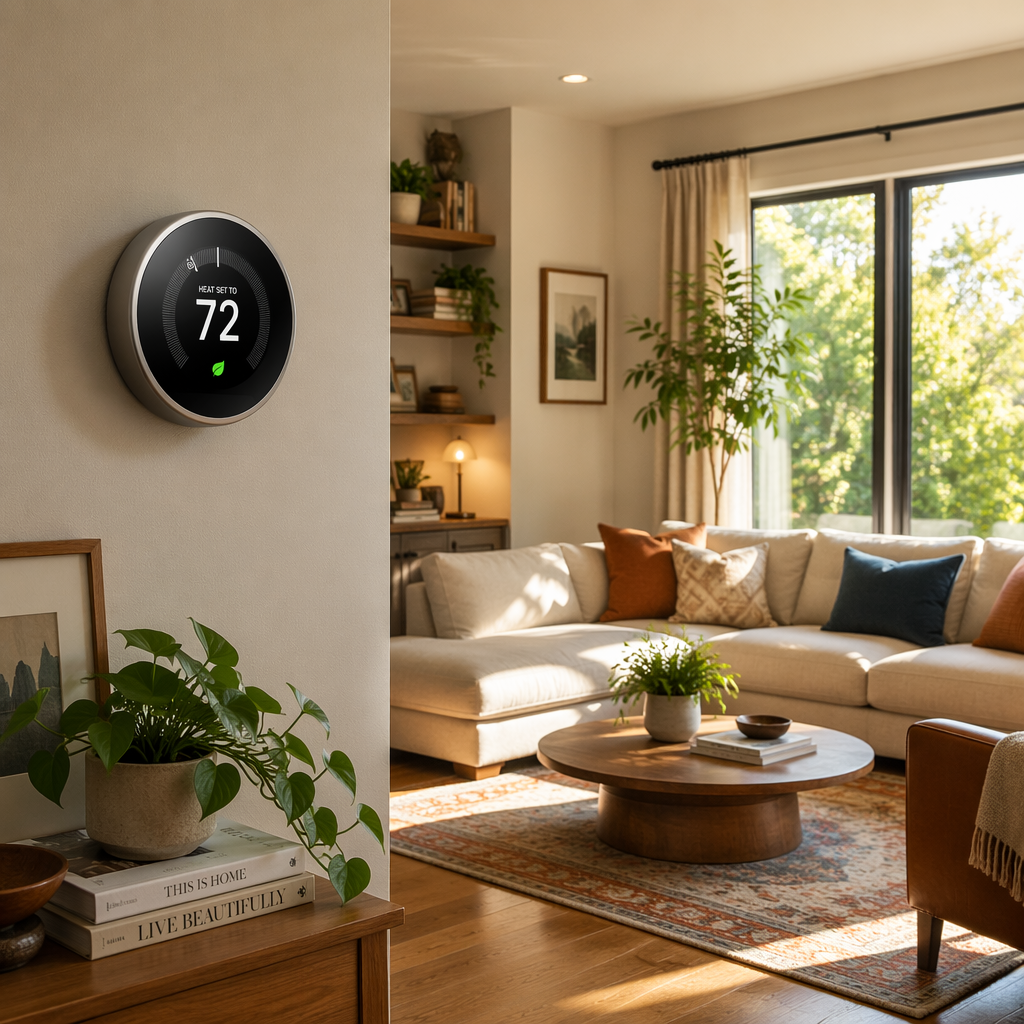
Why Choose a Smart Thermostat?
First off, you might wonder, why bother with a smart thermostat? The answer lies in the dual benefits of comfort and savings. Traditional thermostats require manual adjustments that can lead to energy waste. In contrast, smart thermostats learn your habits over time and adjust the temperature based on when you’re home or away, ultimately saving you money on your energy bills.
According to a study I came across, homeowners can save up to 10-15% on heating and cooling costs by using a smart thermostat effectively. It’s like having a personal assistant dedicated to optimizing your home’s energy usage!
Features to Look For
When you start shopping around, here are a few key features to keep in mind:
- Learning Capability: Some models adapt to your schedule, adjusting temperatures automatically. This means less manual input for you and enhanced efficiency.
- Remote Access: Most smart thermostats come with mobile apps, allowing you to control your home’s temperature from anywhere. Imagine adjusting the heat while you’re on your way home from work!
- Energy Reports: A feature that surprised me was the energy usage reports provided by many smart thermostats. These insights can help you identify patterns and make adjustments for even more savings.
- Integration with Smart Home Systems: If you already have smart devices at home, like lights or security cameras, look for thermostats that integrate seamlessly with those systems.
Installation and Setup
Setting up a smart thermostat can seem daunting, but most are designed for easy installation. I’ve done this myself, and with a little patience, it can be a rewarding DIY project. Always start by turning off your HVAC system to avoid any mishaps.
Many companies provide detailed guides or even video tutorials to help you through the installation process. If you’re not comfortable doing it yourself, hiring a professional can ensure everything is set up correctly. Just make sure to check for compatibility with your existing heating and cooling system.
Common Pitfalls to Avoid
As with any technology, there are potential pitfalls to watch out for. Here are a few mistakes I’ve seen people make when switching to a smart thermostat:
- Not Taking Advantage of Features: Many users purchase a smart thermostat only to use it like a traditional one. Don’t forget to explore all the features that can enhance your experience!
- Ignoring Compatibility: Before making a purchase, double-check that the thermostat will work with your HVAC system. Some older systems may not be compatible with newer smart models.
- Overlooking Wi-Fi Connectivity: A smart thermostat relies on Wi-Fi to function fully. Ensure your home has a strong, reliable connection in the area where you plan to install it.
Maximizing Savings
Once you’ve installed your smart thermostat, maximizing its potential for savings is crucial. Here are some strategies I’ve found useful:
- Set a Schedule: Use the scheduling feature to set temperatures for different times of the day. For example, lower the heat when you’re at work and raise it just before you arrive home.
- Utilize Geofencing: Some smart thermostats have geofencing capabilities, which adjust the temperature based on your phone’s location. This means your home will always be comfortable when you walk through the door.
- Regular Maintenance: Just like any other home system, regular maintenance is essential. Changing your HVAC filters and ensuring your system is running efficiently can further enhance the savings.
Conclusion: Take the Leap!
Switching to a smart thermostat can seem like a big step, but the benefits far outweigh the initial investment. With energy savings, increased comfort, and the convenience of remote access, it’s a decision that can transform your home life.
As I reflect on my experience, the most significant change was the peace of mind that came with knowing my home was comfortable and energy-efficient without constant adjustments. So, if you’re ready to embrace technology and save money, consider making the switch to a smart thermostat. Your future self will thank you!
.