

Smart Thermostat Guide: Optimizing Settings for Seasonal Changes
Imagine coming home after a long day, and instead of stepping into a chilly living room, you find the perfect warmth waiting for you. Or think about those days when you forget to adjust the temperature before leaving, only to return to an uncomfortable home. This is where smart thermostats come into play—your personal climate control system that learns your habits and optimizes energy usage.
In my journey to create the perfect home environment, I spent countless hours researching and testing various smart thermostat options. What I found was nothing short of transformative. Let’s dive into what makes these devices essential for any modern home.
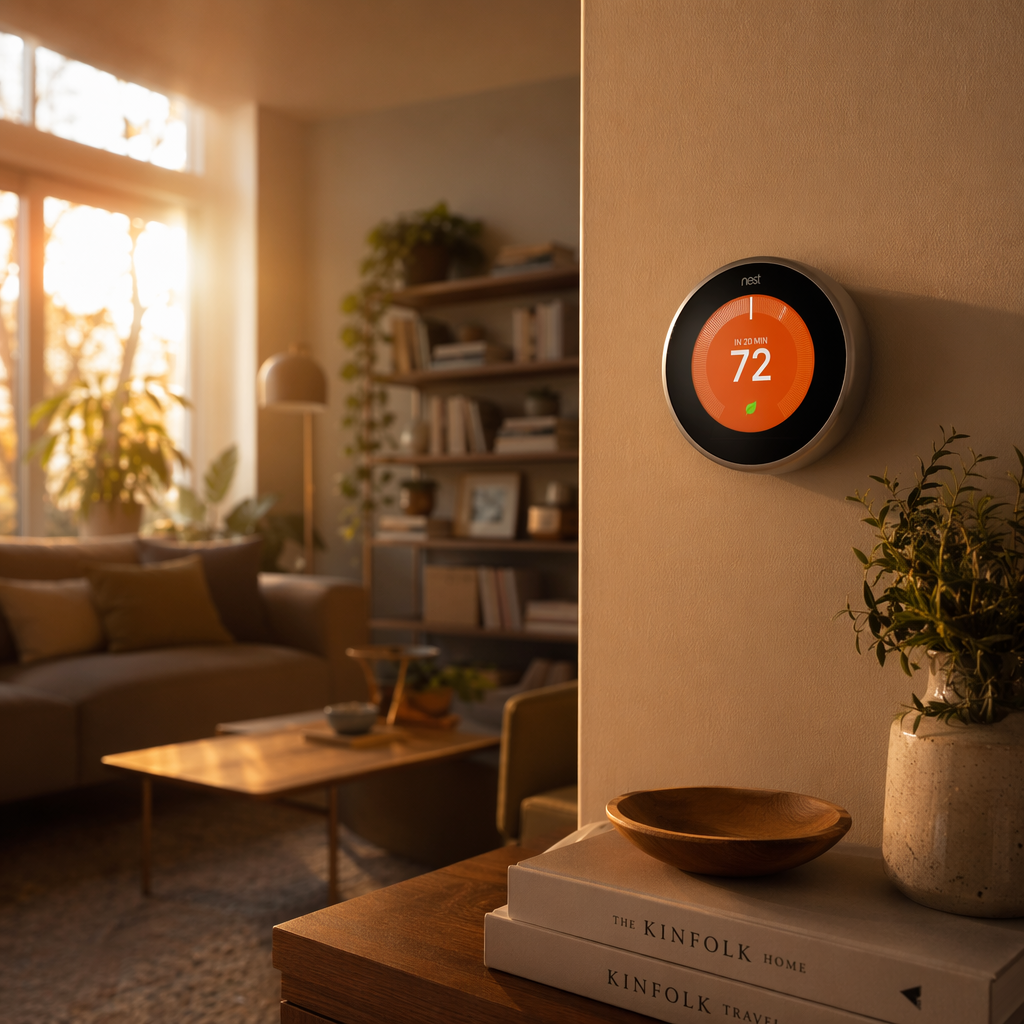
The Problem: Traditional Thermostats Are Outdated
Have you ever fiddled with the dial on an old thermostat, only to realize it’s not doing anything for your comfort? Traditional thermostats lack the intelligence to adapt to your lifestyle. They require constant adjustments and can lead to energy waste. According to the U.S. Department of Energy, heating and cooling account for nearly half of a home’s energy consumption. If you’re still relying on a manual thermostat, you might be throwing away money each month.
Agitating the Situation: The Cost of Inefficiency
Let’s talk numbers. If you’re like me, you dread opening your utility bill each month, especially during peak seasons. Inefficient heating and cooling can spike your costs significantly. For example, an average household can save up to 10-15% on heating and cooling costs simply by using a smart thermostat. That’s real money back in your pocket.
Moreover, traditional thermostats don’t have the feature of remote control or scheduling, meaning your home’s comfort is dictated by your memory and not by your needs. Have you ever come home to find your home hotter than a sauna or colder than a freezer? Smart thermostats eliminate this guesswork and make your life so much easier.
What’s the Solution? Enter Smart Thermostats
Smart thermostats are designed to learn from your habits. They can adjust automatically based on your schedule, preferences, and even local weather conditions. Some of the best features include:
- Learning Capability: These devices learn your schedule and adjust the temperature accordingly. If you leave for work at 8 AM every day, the thermostat will know to lower the heat or cooling just before you leave.
- Remote Control: You can control your thermostat from anywhere using your smartphone. If you decide to stay late at work, you can adjust the settings without having to rush home.
- Energy Reports: Many smart thermostats provide insights into your energy usage, helping you identify patterns and opportunities for savings.
- Integration with Smart Home Systems: Most smart thermostats can integrate seamlessly with other smart home devices, allowing for a unified approach to home automation.
Choosing the Right Smart Thermostat
With many options available, selecting the right smart thermostat can seem daunting. Here are a few crucial factors to consider:
Compatibility
Before purchasing, ensure that the thermostat is compatible with your HVAC system. Some models work with specific types of heating and cooling systems, while others are more versatile.
Features
Consider what features are most important to you. Do you want remote access? A detailed energy report? Voice control? Make a list of must-have features to narrow down your choices.
User Interface
How easy is it to use? Some smart thermostats come with intuitive touchscreens, while others rely on mobile apps. Choose one that fits your comfort level with technology.
Price
Smart thermostats can range from budget-friendly to premium models. It’s worth investing in a model that balances cost with features you value the most.
Installation: DIY or Professional?
Installing a smart thermostat can be a straightforward DIY project if you’re comfortable with basic home improvement tasks. Most devices come with detailed instructions. However, if you’re unsure or have a complex HVAC system, hiring a professional might be a wise choice. This ensures everything is set up correctly and safely.
Maximizing Your Smart Thermostat’s Potential
Once you have your smart thermostat set up, it’s time to make the most of it. Here are some tips to optimize its functionality:
- Adjust Temperature Settings: Play around with settings to find the most comfortable temperature while also being energy efficient.
- Utilize Scheduling: Take advantage of scheduling features to align your home’s temperature with your daily routine.
- Monitor Energy Usage: Regularly check the energy reports to identify trends and adjust your habits accordingly.
Conclusion: Take Control of Your Home Comfort
Transitioning to a smart thermostat is more than just an upgrade; it’s a commitment to improving your home’s comfort and energy efficiency. With the right device, you can say goodbye to the frustrations of traditional thermostats and hello to a smarter, more comfortable living space. If you’re ready to take control of your home’s climate, now is the perfect time to explore your options.